
Clogged Drain Repair in Bensalem: Fast, Lasting Fixes for Old and New Pipes
Slow or backed-up drains cleared with professional augers and hydro-jetting.
Single Fixture Clog or Main Line Backup: How to Tell the Difference
Quick Summary
One slow drain usually means a local clog you can often clear yourself or with a quick service call. Multiple drains backing up at once, especially the lowest ones in the house, points to a main line problem that needs a professional look right away.
Here's the question we ask every caller: is it just the one drain, or is it more than one? That answer tells us almost everything. A single slow sink or tub is usually a local clog from hair, soap scum, or grease. It's annoying but it's not an emergency.
Now if your toilet gurgles when the washing machine drains, or water backs up into the tub when you flush, that's different. That's your main sewer line talking to you. In a lot of Bensalem's older homes near the township's historic areas, we still find original cast iron sewer lines. Those pipes corrode from the inside over decades. This narrows the channel until waste barely moves through.
- One drain slow, others fine: likely a local clog in that fixture's trap or branch line
- Multiple drains backing up together: signals a main line blockage further down the system
- Gurgling toilets or tubs when another fixture drains: classic sign of a main line issue
- Water backing up in the lowest drain in the house first: often the earliest main line warning
- Sewage smell near a floor drain or basement: don't wait on this one
We see this every week. Someone tries a store-bought drain cleaner on what they think is a simple clog. It does nothing because the real blockage is thirty feet down the line. If more than one fixture is affected, skip the chemicals and call us. That's a job for a drain snake or a camera inspection, not a bottle from the hardware store.
Older Cast Iron vs. Newer PVC: Why Pipe Age Changes the Fix
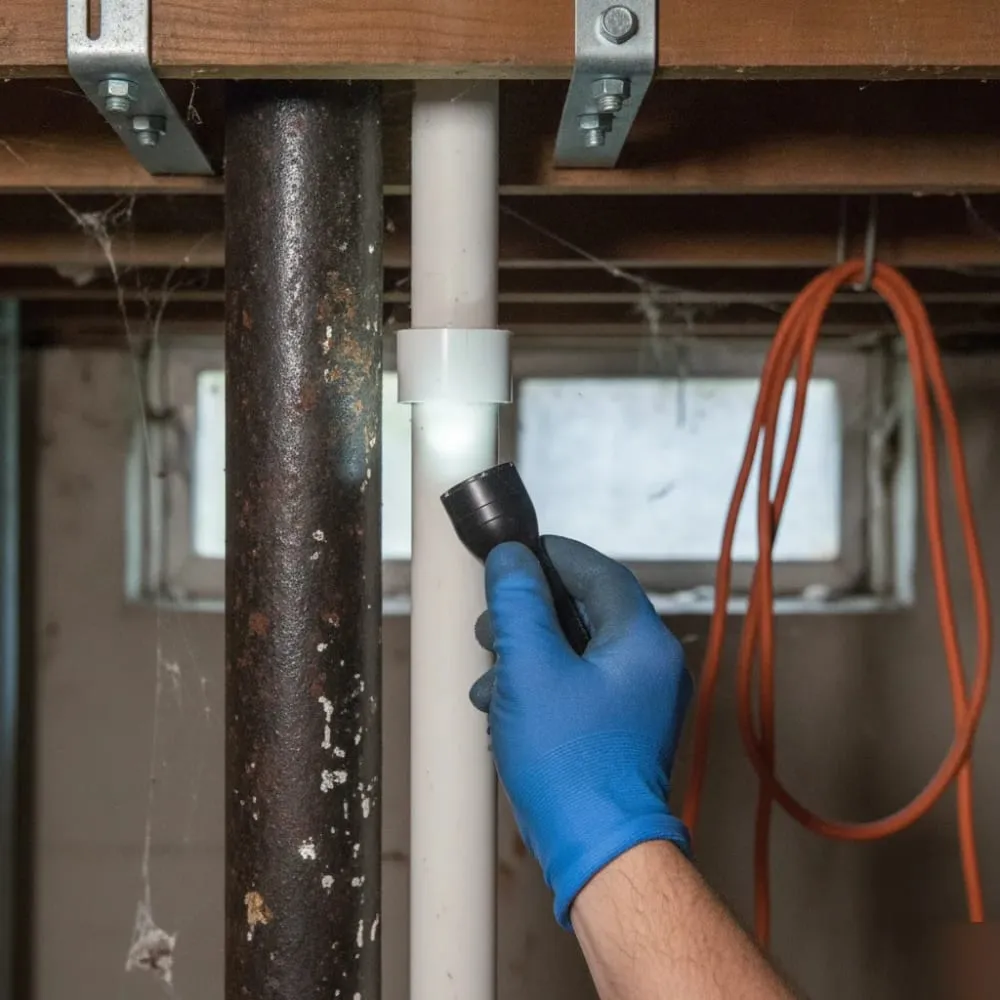
Here's something a lot of homeowners don't think about until we're standing in their basement. The pipe material behind your wall changes how we fix your clog. It also changes how careful we have to be.
Bensalem's got a real mix of housing stock. Homes near the township's older, established areas often still have the original cast iron drain lines running under the floor. Cast iron was tough when it went in. Decades of use build up rust and scale on the inside walls. That buildup narrows the pipe. Even a small clog turns into a big backup fast because there's barely any room left for water to move.
Newer construction along the Street Road and Route 13 corridors usually runs PVC. PVC doesn't rust or scale the same way. But it's not clog-proof. We still see grease clogs, root intrusion, and flushed wipes causing trouble in PVC lines.
So why does this matter for the fix? Cast iron takes a gentler touch. Run an aggressive cable through corroded cast iron and you can punch a hole through weak spots. We adjust cable size, blade type, and speed based on what's back there.
PVC gives us more room to work with more aggressive tools. We don't worry about the pipe walls giving out.
This is why guessing doesn't work. A repair plan built for PVC can damage old cast iron. A plan too soft for PVC won't clear a stubborn root clog. We look at what's in your walls before we decide how to clear it.
When a Plunger and Baking Soda Are Enough
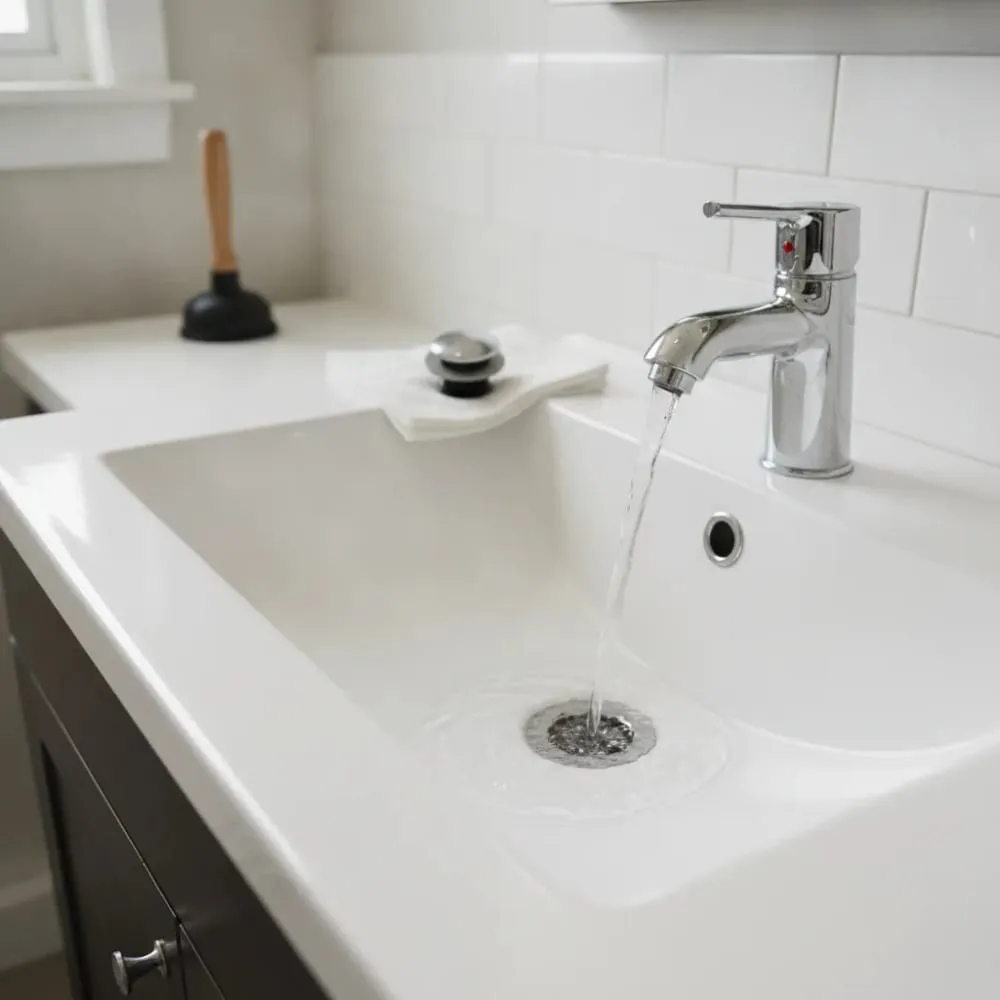
Let's be honest with you. Not every slow drain needs a plumber. If it's one sink, one shower, and water still goes down eventually, you're probably dealing with soap scum, hair, or food buildup right at the drain opening.
A plunger works on more than toilets. Cup it over a slow sink or tub drain. Add a little water to create a seal. Push a few times. Baking soda and vinegar won't dissolve grease the way people think. The fizzing action can loosen light gunk sitting near the surface. Hot water flushed through afterward helps carry it out.
Here's the test we tell our neighbors to use. Does the water drain slow but steady? Is it only in one spot in the house? That's a local clog. Handle it yourself first.
- One drain is slow, not multiple fixtures at once
- No gurgling sounds coming from other drains when you run water
- No sewage smell near floor drains or basement fixtures
- It's a bathroom or kitchen sink, not a main line
If that describes what you've got, save your money. Try the plunger. Try the hot water flush. Give it a day. A simple single-fixture clog clears up with basic tools and a little patience. If you've already tried this and the water's still creeping back up, or it worked for a week and now it's slow again, that's telling you something. A clog that keeps returning after home fixes usually means there's buildup or a blockage deeper in the line than a plunger can reach. That's a different job entirely. That's where our team comes in.
What Happens During a Professional Drain Clearing Visit
Here's what nobody tells you before your first clogged drain repair visit. It's not just somebody jamming a snake down your pipe and calling it a day. A real visit has a rhythm to it. Skipping steps is how you end up calling again in three weeks.
- We ask what you've noticed: slow drain, gurgling, bad smell, water backing up somewhere else in the house. That detail points us toward the cause before we even open a toolbox.
- We check the fixture first. A bathroom sink clog behaves differently than a kitchen line full of grease. A floor drain backing up after rain tells its own story.
- We run a camera or snake depending on what we're dealing with. Drain snaking handles most localized clogs. If the problem's deeper in the line, we go further.
- We clear the blockage and test it. Water gets run through more than once, not just a quick flush. A slow drain that seems fine can back up again within the hour.
- We tell you what caused it. Grease, roots, old pipe scale, whatever it was, you should walk away knowing why it happened, not just that it's gone.
That last step matters more than people think. Many homes in Bensalem still have older cast iron drain lines, especially near the township's established neighborhoods. Those pipes narrow over time as scale builds up on the inside walls. Clearing today's clog without mentioning that is only half the job.
Sometimes the visit ends in twenty minutes. Sometimes we find something that needs a longer conversation about the line itself.
Either way, you should walk away with a clear answer, not a guess dressed up as one.
How Drain Clearing Is Typically Priced
Most plumbers price drain clearing based on what it takes to fix the problem. It's not a flat fee that covers everything. A simple clog near a sink trap costs less to clear than a blockage sitting thirty feet down a main line. That's just how the work breaks down.
A few things push the cost one way or the other. How far the clog sits from an access point matters a lot. What's causing it also matters. Grease and hair are usually quick jobs. Tree roots or a collapsed section of pipe are not.
- Distance from the cleanout or access point to the actual blockage
- Whether the clog is grease, hair, roots, or a broken pipe
- Pipe material, older cast iron behaves differently than PVC
- Whether a camera inspection is needed to find the real cause
- If it's a single fixture or a whole-house drain backing up
Here's something worth asking any plumber before they start: will they diagnose first, or just start snaking and hope? A good drain snaking job starts with figuring out what you're dealing with. Skip that step and you might pay to clear a clog that comes right back in two weeks.
We see this every week in Bensalem homes with older cast iron drain lines, especially near the township's established neighborhoods. Those pipes corrode from the inside over decades. What looks like a simple clog is sometimes scale buildup narrowing the whole pipe. Snaking helps short term. The real fix might mean a closer look at the line itself.
Ask about access, ask what tool they're using, ask if a camera inspection is included or extra. Straight answers to those three questions tell you a lot about who you're hiring.
Frequently Asked Questions
How do I know if my clogged drain is a simple fix or a main line problem?
If only one drain is slow, it's usually a local clog you can often clear yourself. If multiple drains back up together, or your toilet gurgles when the washing machine runs, that points to a main line issue. Water backing up in your lowest drain first is often the earliest warning sign. When more than one fixture is affected, skip the home remedies and call a professional for a snake or camera inspection.
Can I use a plunger or baking soda before calling a plumber?
Yes, if it's just one drain acting up. A plunger works well on slow sinks and tubs, not just toilets. Baking soda and vinegar can loosen light buildup near the drain opening, and hot water afterward helps flush it out. This works best when only one fixture is slow, with no gurgling elsewhere and no sewage smell. If the clog keeps coming back, that usually means the blockage sits deeper than home tools can reach.
Why do older Bensalem homes have more clogged drain problems?
Many older homes near Bensalem's historic areas still have original cast iron sewer lines. These pipes rust and build up scale on the inside over decades, narrowing the channel water can pass through. Even a small clog turns into a major backup fast because there's so little room left. Newer homes along Street Road and Route 13 usually run PVC, which handles clogs differently and needs a different repair approach.
What happens during a professional drain clearing visit?
First, we ask what you've noticed, like slow draining, gurgling, or bad smells, since those details point to the cause. Then we check the fixture, run a snake or camera depending on the situation, and clear the blockage. We test the drain more than once because a slow drain can look fixed and back up again within the hour. Before we leave, we tell you what caused the clog so you know what to watch for going forward.
Does pipe material change how a clogged drain gets fixed?
Yes, it changes everything about our approach. Cast iron pipes, common in Bensalem's older homes, need a gentler touch since corroded walls can be punctured by an aggressive cable. PVC pipes found in newer construction give us more room to use stronger tools without worrying about damaging the pipe. We check what's behind your walls before choosing cable size, blade type, and speed, so the fix matches your actual plumbing.
Is a clogged drain repair visit available for emergencies?
Yes, backups and no-hot-water calls can't always wait for regular business hours. A backed-up main line or sewage smell near a basement drain needs attention right away, not a few days later. We treat these situations as urgent because water damage and unsanitary conditions get worse the longer they sit. If you're seeing multiple drains affected at once, that's a signal to call quickly rather than wait it out.
Need drain cleaning & clog removal today?
We serve every neighborhood in Bensalem and are usually nearby. Call now or request a visit and we'll confirm a window.
Don't wait until it's an emergency
A small drip becomes a ceiling stain. A slow drain becomes a backup. Call (215) 352-4688 now — we answer around the clock and can get a licensed plumber to your door fast.