
Frozen Pipe Repair in Bensalem: Fast Help Before a Freeze Becomes a Flood
Fast thawing and repair before a frozen line becomes a flooded basement.
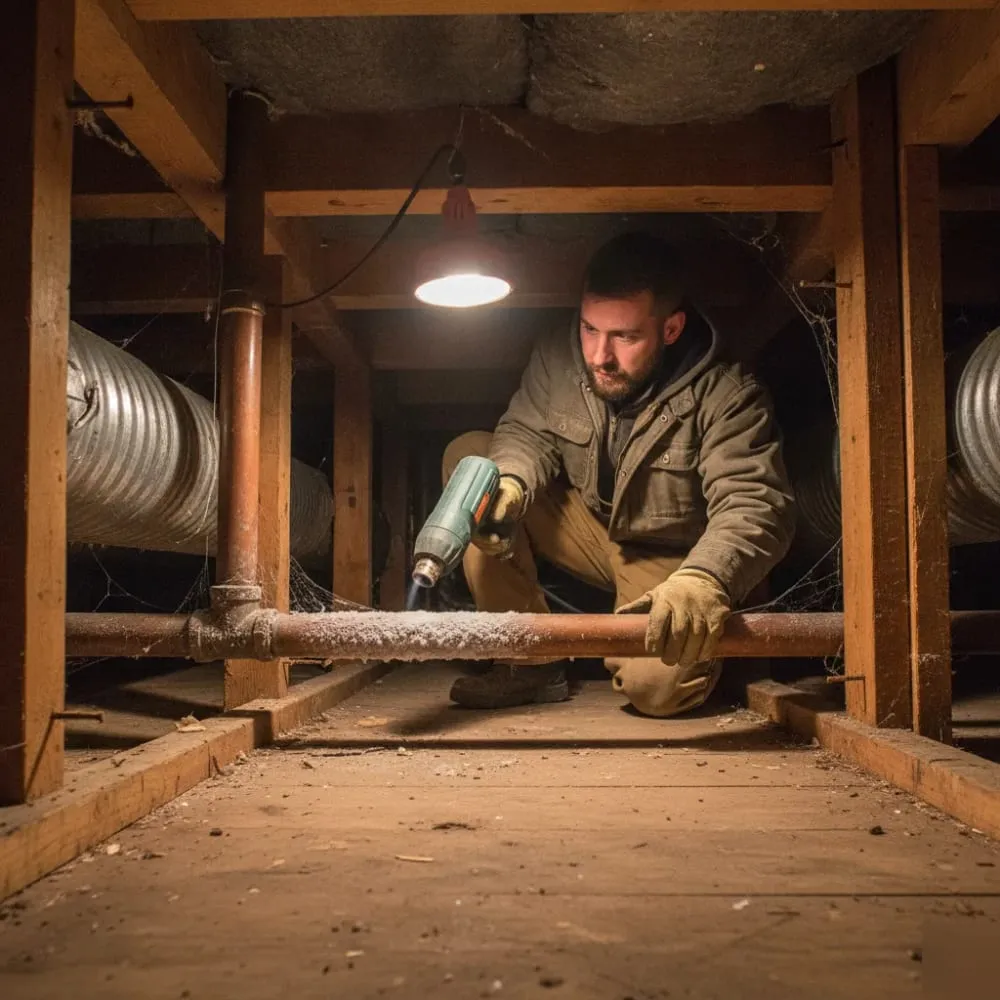
Why Bensalem Homes Are Prone to Frozen Pipes
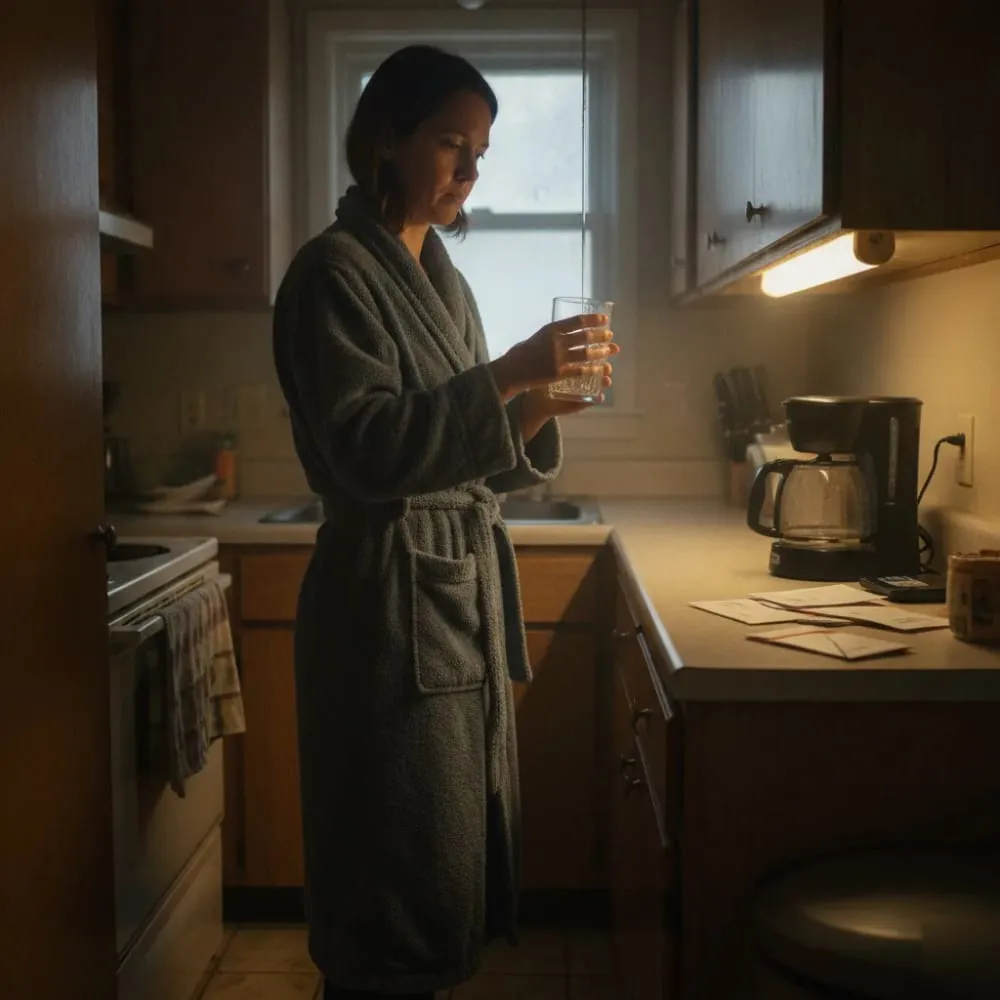
Quick Summary
Bensalem's mix of older and newer homes both have weak spots for freezing, just different ones. Older houses often have pipes running through uninsulated crawl spaces or exterior walls. Newer additions sometimes have plumbing routed without enough thought for a hard freeze.
Here's the thing about Bensalem. We have two totally different housing situations sitting side by side. Both freeze pipes for their own reasons. The older housing stock near Bensalem Township's historic areas was built decades before anyone thought hard about insulation standards. Pipes run through crawl spaces, along exterior walls, sometimes right up against the foundation with barely an inch of protection. Cold air finds those pipes fast.
Go a few miles over to the newer developments along Street Road and Route 13. You'd think newer means safer, right? Not always. We see additions and bump-outs where the plumbing got routed through spaces that just weren't built with a real Pennsylvania winter in mind. Think garage lines, or pipes tucked into outer walls.
Basements matter too. A lot of Bensalem homes have basement pipe runs near vents or gaps. Cold air sneaks in and just sits there overnight.
- Exposed pipes in unheated crawl spaces or basements
- Plumbing lines running through exterior walls with thin insulation
- Additions or garage-adjacent pipes not built for sustained freezes
- Older shutoff valves and fittings that stress more under sudden cold
None of this means your house is doomed every winter. It just means location and construction age both play a part. We factor that in the second we walk in the door.
Signs You Have a Frozen or Already-Burst Pipe
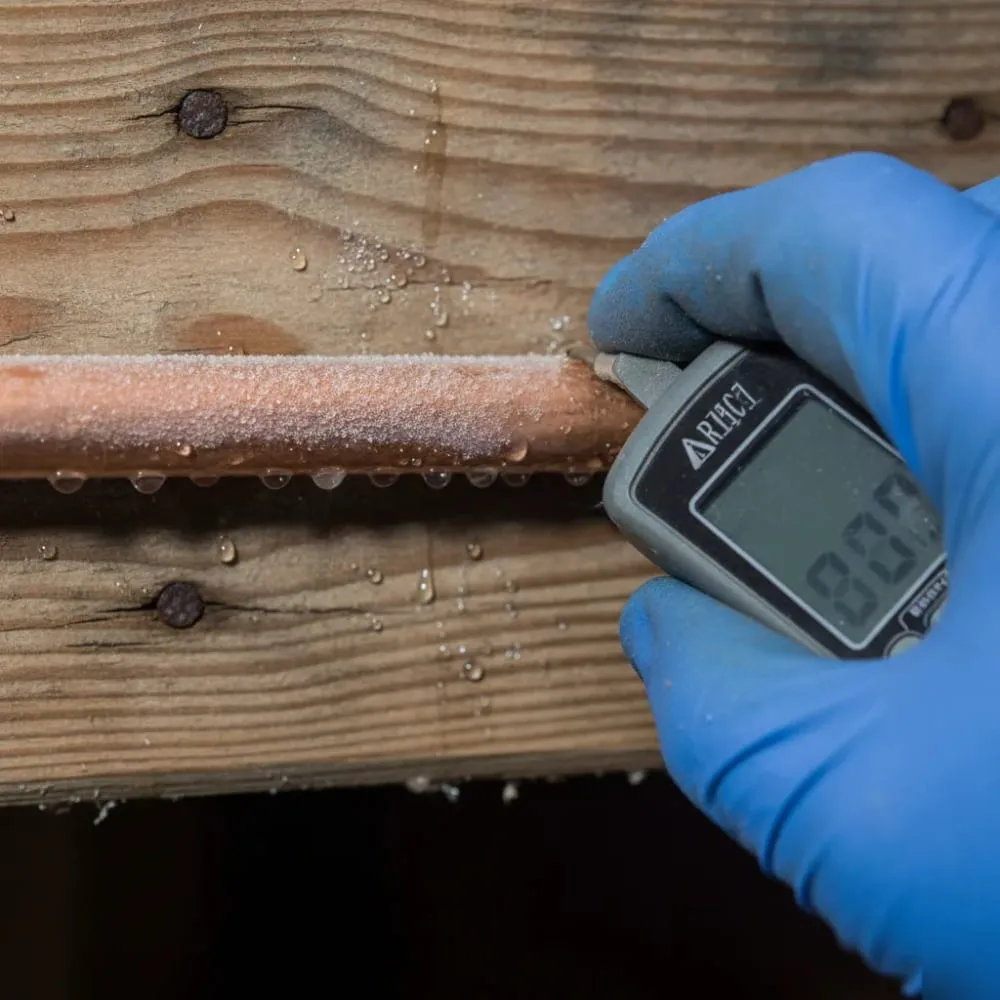
No water coming out of the faucet on a cold morning? That's usually the first clue. You turn the handle expecting the usual flow and get a trickle, or nothing at all. Most folks assume it's the whole house, but it's often just one line. This usually happens on an outside wall or up in an unheated attic space.
- A faucet that worked fine last night and gives you nothing this morning
- Frost or a visible bulge on an exposed pipe under a sink or in a crawlspace
- Strange gurgling or banging sounds when you run water nearby
- A weird smell from the drain, which can mean ice is blocking the vent line
- Water stains spreading across a ceiling or wall, which almost always means a pipe already split
That last one is the emergency. A frozen pipe that's just frozen is an inconvenience. A burst pipe is water damage waiting to happen. It happens fast. Once the ice plug gives way, pressure behind it can push out gallons a minute.
If you see or hear water where it shouldn't be, shut off your main water valve first. Don't wait to see if it stops on its own. It won't.
Older homes around Bensalem Township's established neighborhoods often still run older pipe materials through unheated additions. Those runs freeze up quick during a hard cold snap. We see this every week once temperatures drop and stay there.
When You Can Try Thawing It Yourself First
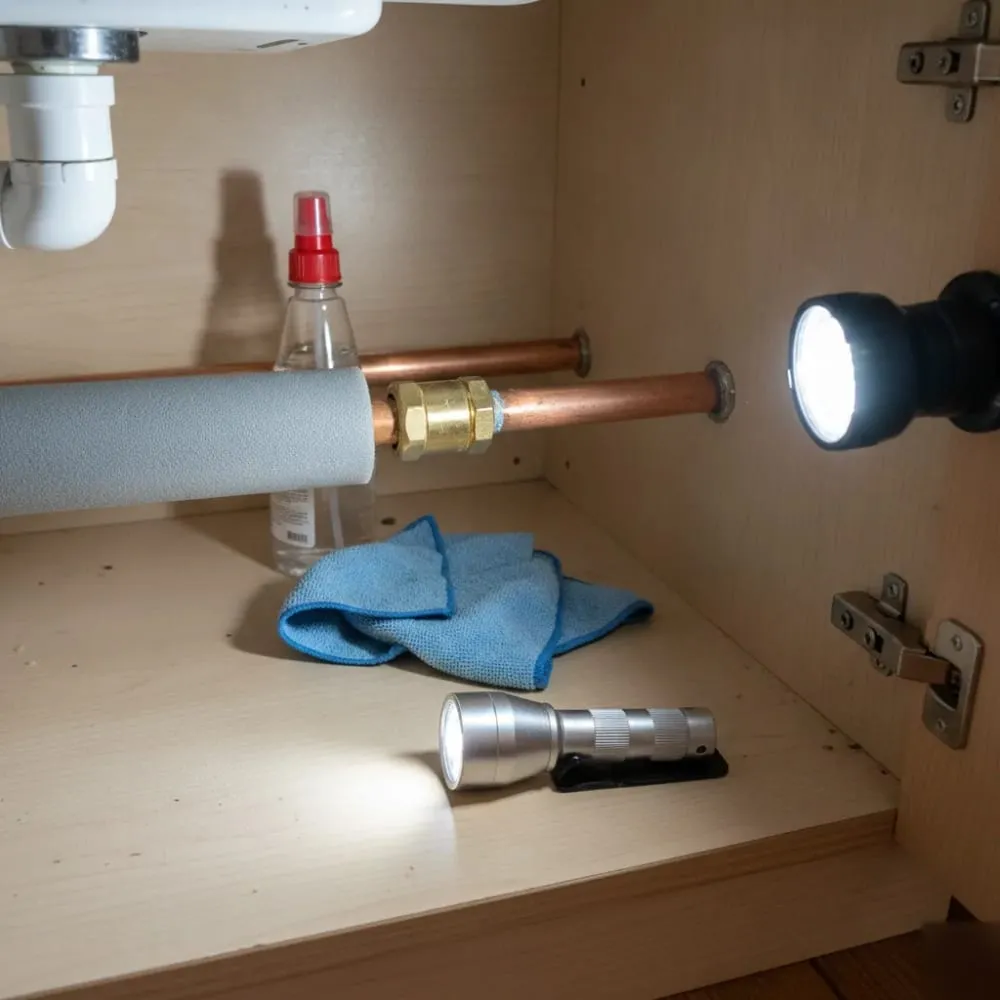
Here's the truth. Not every frozen pipe needs a plumber. If you turn on a faucet and get a weak trickle instead of nothing, and you can see or reach the frozen section, you might be able to handle this one yourself.
So what does a good DIY situation look like? The pipe is exposed, under a sink or along an exterior wall in a crawl space you can get to. There's no bulging, no cracking sound, and no water already leaking out anywhere. That's a pipe you can warm up safely with some patience.
- Open the faucet on that line first, so melting ice has somewhere to go
- Use a hair dryer or space heater near the pipe, never a torch or open flame
- Wrap the section with warm towels and keep them warm with hot water
- Warm the pipe starting closest to the faucet, working back toward the coldest point
- Stop and call us if you smell gas, see water pooling, or the pipe looks swollen
Give it thirty minutes to an hour. If water's flowing again, run it a little longer just to be safe. Then keep an eye on it overnight.
But if the pipe is buried in a wall, under a slab, or somewhere you can't reach and see, don't mess with it. If you've already tried thawing it and nothing's changed after an hour, that pipe is frozen solid somewhere you can't get to safely. We see this often during a cold snap. Folks try the hair dryer trick for two hours before they call. By then the pipe's already stressed from the ice expanding inside it. There's no shame in stopping early and calling us instead.
What Happens During a Professional Frozen Pipe Repair
Here's what we're doing when we show up for frozen pipe repair. It's not guesswork. We follow a process because guessing wrong on a frozen line can mean a flooded basement instead of a fixed one.
- Find the exact frozen section using pipe location, water pressure at fixtures, and sometimes a thermal camera.
- Shut off the water supply to that section if there's any sign of cracking or bulging.
- Open a nearby faucet slightly to relieve pressure and give the ice somewhere to melt.
- Apply controlled heat with tools built for this, never an open flame near a wall cavity.
- Work from the faucet end toward the blockage, so melting water and steam have an exit path.
- Check the whole line under pressure once it's clear, looking for hairline cracks the freeze may have caused.
- Insulate or reroute the exposed section if it's likely to freeze again next cold snap.
That last step matters more than people think. A pipe that froze once, in an exterior wall or unheated crawlspace, will freeze again the next time the temperature drops hard. We see this every week during a cold stretch. Same houses, same pipe, because nobody addressed why it froze in the first place.
Usually, the pipe itself is fine once it's thawed. But if we find a split, that's a pipe repair job, not just a thaw. We'll walk you through what that looks like before we touch anything.
For homes near the Neshaminy Creek floodplain areas of Bensalem, crawlspaces tend to run colder and damper than the rest of the house. That's exactly the kind of spot we check first.
How Frozen Pipe Repair Costs Are Structured
Nobody likes surprise bills, especially when water's already dripping through your ceiling. Let's talk about how pricing works in this trade. Most plumbers price frozen pipe repair based on a few things: how hard the pipe is to reach, whether it's already burst, and how much of the wall or ceiling needs to come apart to get to it.
A frozen pipe under a kitchen sink is a quick fix. A frozen line running through an exterior wall in an older Bensalem home, tucked behind plaster and lath instead of drywall, takes longer and costs more to open up.
- Location of the frozen section, easy access versus behind walls or under slabs
- Whether the pipe has already split, which means repair work on top of thawing
- Type of pipe, copper repairs differently than older galvanized steel
- Time of day and how fast you need someone there
- Whether drywall, insulation, or flooring needs to be opened and patched
Here's the thing to ask upfront: does the quote cover just the thaw and patch, or does it include cutting into the wall too? Get that answer before anyone starts working. A fair plumber will walk you through what they're seeing and why the job costs what it costs, not just hand you a number and expect you to trust it blind.
We'd rather explain the reasoning than leave you guessing.
Frequently Asked Questions
How fast can you get to my house if my pipes are frozen in Bensalem?
We treat frozen pipes as an emergency and offer 24/7 service for these calls. Once temperatures drop and stay there, we see a rush of calls across Bensalem, from older homes near the historic areas to newer builds along Street Road and Route 13. Don't wait to see if a trickle turns into nothing. Call as soon as you notice weak water flow, so we can get there before a frozen pipe becomes a burst one.
What should I do first if I think a pipe has already burst?
Shut off your main water valve right away. This is the single most important step if you see water stains, hear gurgling, or notice a bulging pipe. Once the ice plug breaks loose, pressure can push out gallons of water a minute. Don't wait to see if it stops, because it won't. After the valve is off, call us so we can find the break and stop the damage from spreading through your home.
Can I thaw a frozen pipe myself before calling a plumber?
Yes, if the pipe is exposed and you can reach it safely, like under a sink or in an accessible crawl space. Open the faucet first, then use a hair dryer or warm towels, working from the faucet end back toward the ice. Give it thirty minutes to an hour. If nothing changes, or the pipe is buried in a wall or slab, stop and call us instead of risking a burst line.
Why do so many Bensalem homes get frozen pipes every winter?
Bensalem's mix of older and newer homes both have weak spots, just different ones. Older houses near the historic areas often run pipes through uninsulated crawl spaces or exterior walls. Newer additions along Street Road and Route 13 sometimes have plumbing routed through garage lines or outer walls not built for a hard Pennsylvania winter. Basement pipe runs near vents are another common trouble spot we see every cold snap.
What are the signs a pipe is frozen instead of just a plumbing problem?
The biggest sign is a faucet that worked fine last night but gives you nothing, or just a trickle, the next cold morning. Other clues include frost or a visible bulge on an exposed pipe, banging sounds when you run water nearby, or a strange smell from the drain. If you also notice water stains spreading on a ceiling or wall, treat that as an emergency and shut off your main valve immediately.
Will a pipe that froze once just freeze again next winter?
Yes, if nobody addresses why it froze in the first place. A pipe in an exterior wall or unheated crawl space will freeze again the next hard cold snap. That's why our repair process includes insulating or rerouting the exposed section once the ice is cleared. We see the same houses and same pipes freeze year after year in Bensalem when that last step gets skipped.
Need frozen pipe repair today?
We serve every neighborhood in Bensalem and are usually nearby. Call now or request a visit and we'll confirm a window.
Don't wait until it's an emergency
A small drip becomes a ceiling stain. A slow drain becomes a backup. Call (215) 352-4688 now — we answer around the clock and can get a licensed plumber to your door fast.