
Gas Line Repair in Bensalem: What to Do Before You Call
Pressure testing and leak detection for gas lines past the meter.
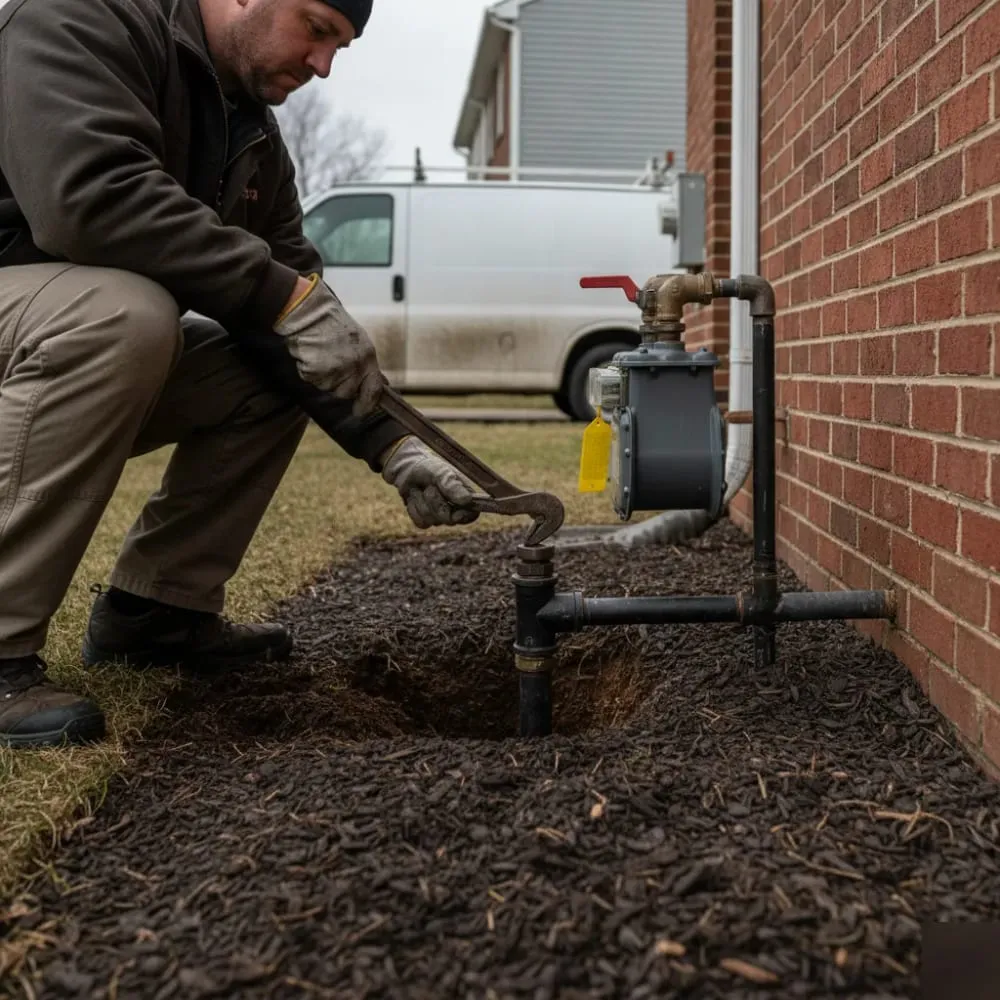
Know the Warning Signs Before They Become Emergencies
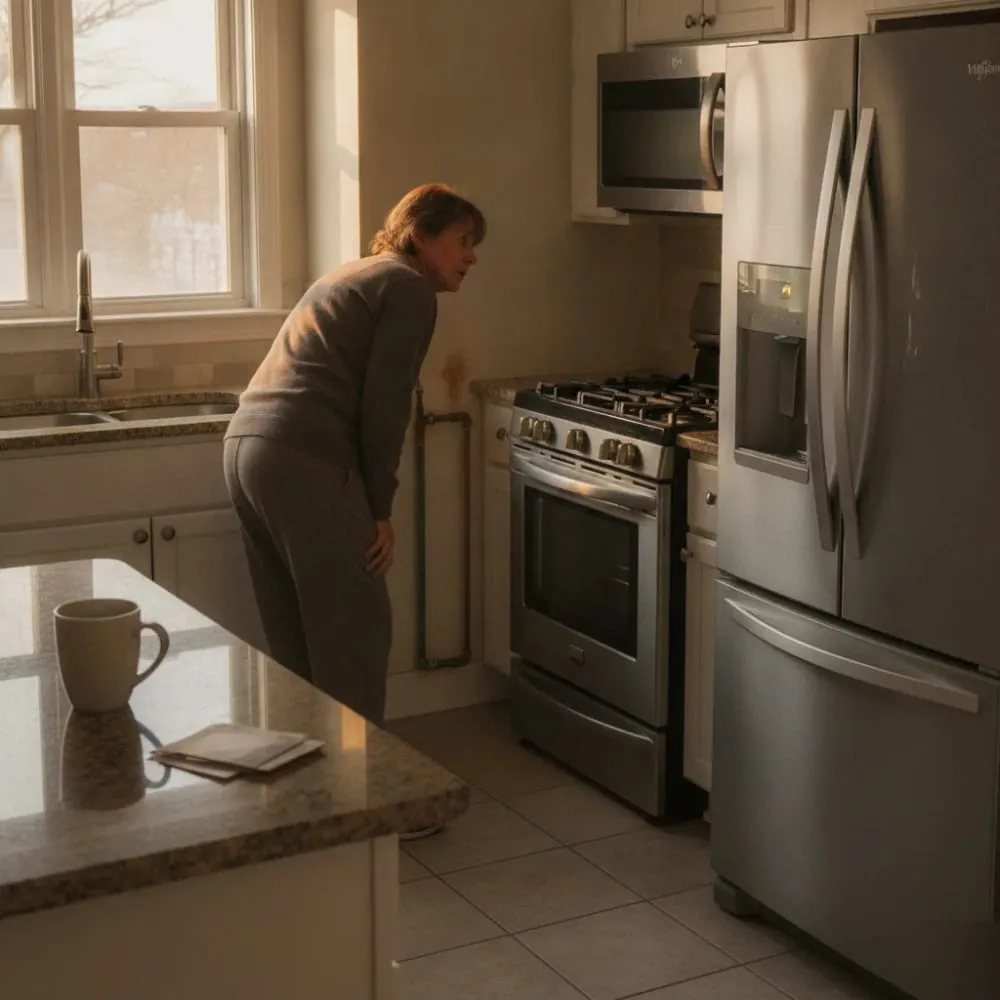
Quick Summary
A rotten egg smell, a hissing sound near a pipe, or dead grass over a buried line all mean your gas line needs attention. Some signs mean call today, others mean call right now and get out of the house first.
How do you know if that smell or sound is a problem? Most calls we get are about that sulfur smell, like rotten eggs. Gas companies add that odor on purpose because natural gas has no smell of its own. If you catch even a faint whiff of it near your stove, water heater, or furnace, that's a sign your gas line needs attention.
- A hissing or whistling sound near a pipe, appliance connection, or meter
- Dead or discolored patches of grass above where a buried gas line runs
- Higher gas bills with no change in how you're using appliances
- A pilot light that won't stay lit or burns with an orange flame instead of blue
- Physical damage to a visible pipe, like rust, dents, or a loose fitting
Some of these are urgent. A pilot light issue might just need a repair visit. A hissing sound near a fitting is a different story. If you smell gas strong and clear, leave the house first. Call your gas utility and a licensed plumber second, from outside. Don't flip light switches, don't light a match, don't even use your phone until you're clear of the house.
Bensalem's older homes near the township's historic areas often still have original gas piping that's decades old. This aging pipe corrodes from the inside, and you won't always see it before you smell or hear it.
Leave and Call Now vs. Schedule a Repair
Here's the answer. Some gas line problems mean you drop what you're doing and get everyone outside. Others just mean you call and get on the schedule. Knowing the difference matters more than almost anything else.
- Rotten egg smell that's strong, sudden, or getting worse: leave the house, don't flip switches, call your gas utility and us from outside
- Hissing sound near a pipe, meter, or appliance connection: that's escaping gas under pressure, treat it as an emergency
- Dead grass or bubbling in a patch of your yard for no reason: possible underground leak, worth a same-week call, not an immediate evacuation
- A pilot light that won't stay lit or burns yellow instead of blue: usually a scheduled repair, not an evacuation
- Higher than normal gas bills with no clear reason: worth having us take a look, but not an emergency by itself
Most times, if you can smell gas standing in your kitchen, it's real and it's not subtle. Trust your nose before you trust your gut telling you it's probably nothing.
We get calls from Bensalem homeowners who noticed a faint sulfur smell near an older gas range and weren't sure if it was worth mentioning. It usually is. A loose fitting behind a stove or a corroded connector on an older water heater setup can leak slowly for weeks before anyone notices the smell getting stronger.
So here's the simple rule. Strong smell, hissing, or a flame that won't behave right near the meter: that's a leave-now situation. A weak smell that comes and goes, a pilot light issue, or higher bills: that's a call-and-schedule situation.
Who Fixes What: Utility Lines vs. Home Piping
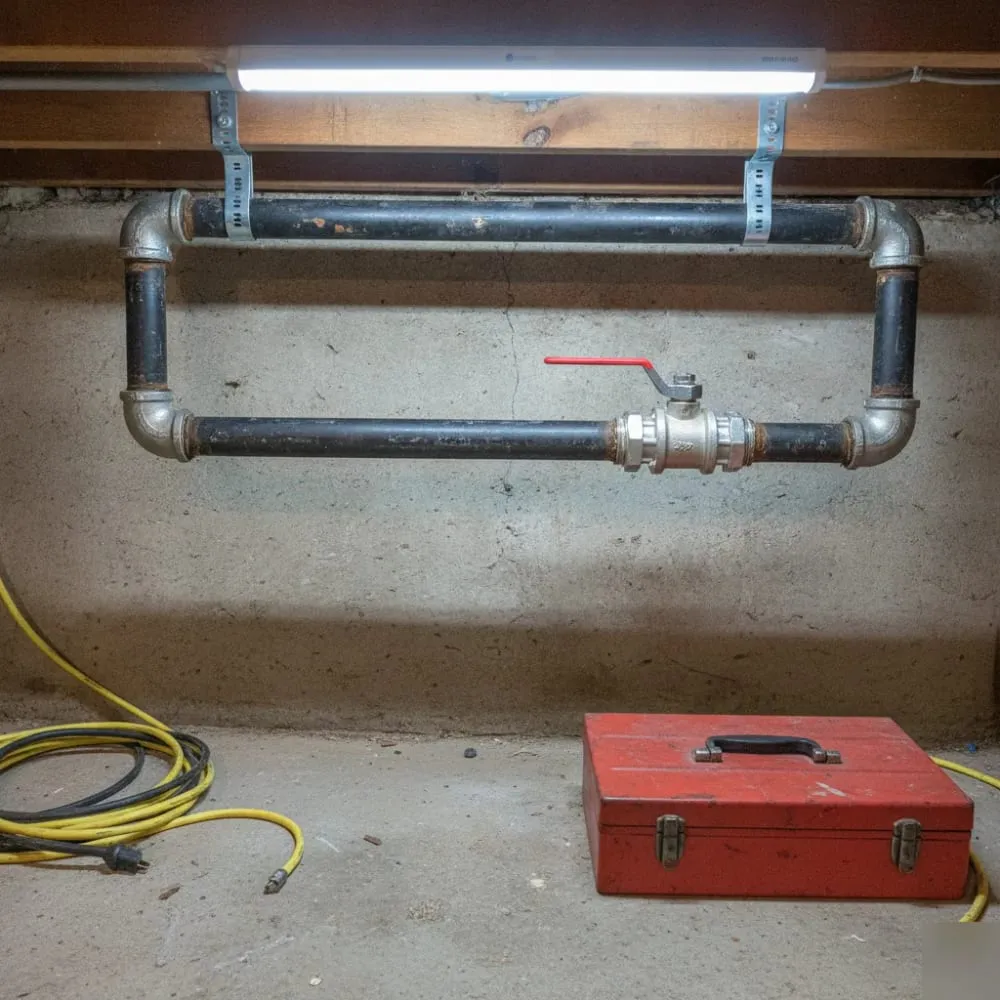
Here's something a lot of folks don't know until they're standing outside smelling gas. The gas meter is the dividing line. Everything past the meter - the pipes running through your walls, under your floors, out to your water heater or your stove - that's home piping. That part's on you, and that's where we come in. Everything from the street to that meter belongs to the utility company. That's their pipe, their pressure, their responsibility.
We get calls all the time from homeowners who assume any gas smell means a plumber problem. Sometimes it's the opposite. If the smell's strongest right at the meter or coming from underground near the street, that's a utility issue. You need to call them first, not us. But if it's coming from inside the house, near an appliance connection or along a wall where a pipe runs, that's our territory.
Bensalem has a real mix of housing stock. Older homes near the township's historic areas often still have original steel gas lines that have seen decades of soil shift and temperature swings. Newer builds along Street Road and Route 13 usually have more modern black iron or flexible connectors, which behave differently when something goes wrong. Knowing which one you've got changes how we approach the gas line repair.
Before you make a call, take thirty seconds and figure out where the smell or the problem is coming from. It matters more than you'd think.
What Happens During a Professional Gas Line Repair
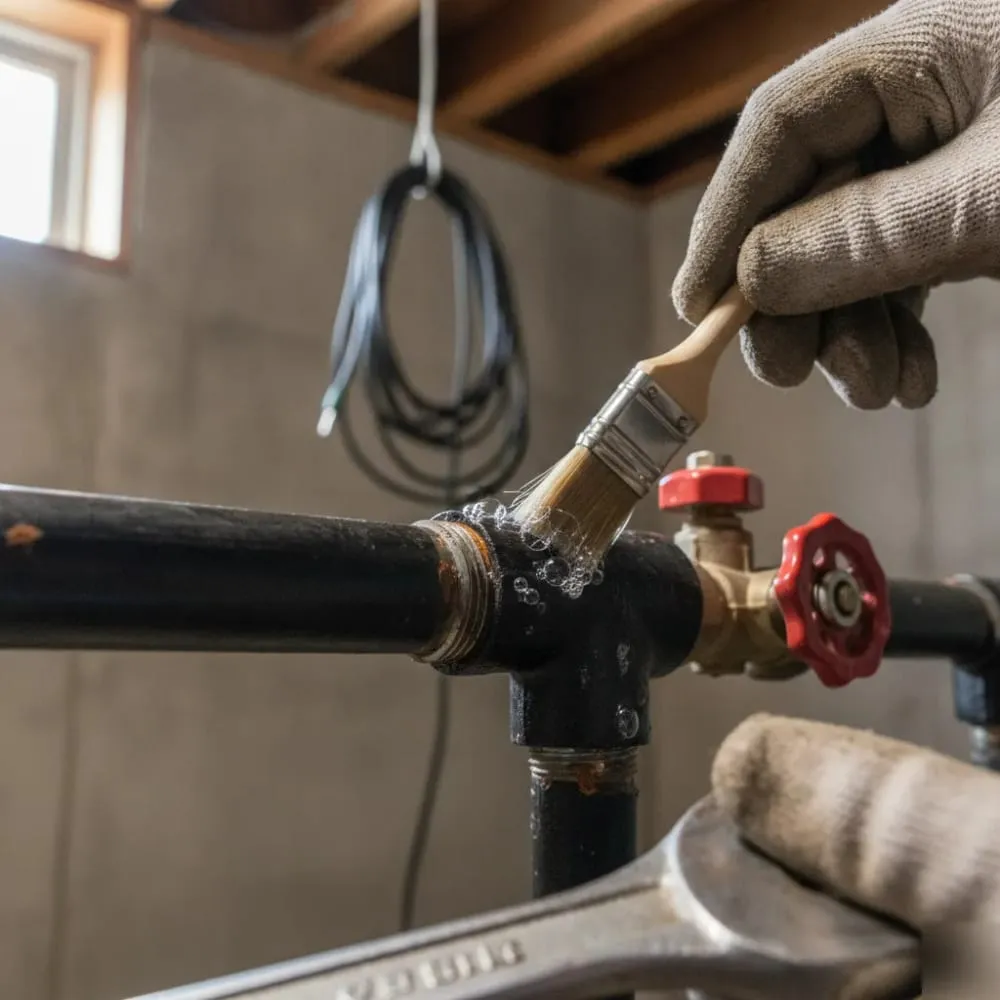
So you called someone out. What happens next? First thing we do is a pressure test on the line to find exactly where the leak is hiding. No guessing. No opening up walls just to poke around. We use a gas detector and a pressure gauge, and most times we can narrow it down before we ever touch a wrench.
- Shut off the gas supply at the meter or appliance valve before any tools come out.
- Test the line's pressure and check every joint and fitting with a gas leak detector.
- Locate the exact failure point, whether it's a corroded fitting, a cracked line, or a bad connection at an appliance.
- Cut out and replace the damaged section using approved black iron pipe or flexible connector, matched to your home's existing setup.
- Pressure test the repaired section again before turning the gas back on.
- Check every appliance connection in the home to confirm nothing else is leaking.
That last step matters more than people think. We've been in plenty of homes near the older housing stock around Bensalem Township's historic areas where one bad fitting on a water heater line turned out to be the least of it. A second connection at the stove was leaking too. We fix one thing, we check everything. That's just how it has to work.
Depending on where the damaged section sits, we might need to access it through a wall, a crawlspace, or under a slab. Older homes sometimes mean cutting drywall. Newer construction along the Street Road corridor tends to have more accessible runs, which usually means a faster repair with less patchwork after.
Once the new section is in and pressure tested clean, we turn the gas back on and relight pilot lights on your water heater and any other affected appliances. We don't leave until everything's confirmed safe.
How Gas Line Repair Costs Are Structured
How does pricing work for this kind of job? It's not a flat number. Anyone who quotes you one over the phone before seeing the line is guessing. A few things drive the cost up or down on almost every gas line repair we look at.
- How the line is accessed: a gas line buried under a slab or hidden behind finished drywall takes more labor than one running through an open basement or crawlspace
- The length of pipe that needs replacing: a small section repair costs less than rerouting a longer run
- The material: whether it's older black iron pipe common in Bensalem's older housing stock or newer flexible CSST tubing used in more recent additions
- Whether a permit and township inspection are required: this adds time but is not optional for gas work
- Emergency versus scheduled service: a suspected leak at midnight moves differently than a slow-burner pilot light issue you noticed last week
We see this every week. A homeowner near an older section of Bensalem Township calls about a smell near the meter. Once we're on site, the fix turns out simpler than they feared: just a corroded fitting. Other times it's the opposite. Most times it's not the whole system, it's one bad connection or joint.
Before you hire anyone for gas line repair, ask what's included in the visit, whether the quote covers permit fees, and how they handle unexpected findings once the line is opened up. A straight answer to those questions tells you more than any number on a phone call ever will.
Frequently Asked Questions
How fast can you get to my house if I smell gas in Bensalem?
We treat any active gas smell as an emergency and move it to the front of the line. If you're standing outside because the smell was strong, call your gas utility first, then call us so we can get someone routed to you right away. For weaker smells or a pilot light that won't stay lit, we'll get you scheduled the same week. Bensalem's mix of older homes near the historic areas and newer builds off Street Road means every call gets treated based on what's happening, not a generic timeline.
What should I do first if I smell gas in my house?
Leave the house immediately and don't flip any switches, light a match, or use your phone until you're outside. Call your gas utility company first, then call a licensed plumber like us from a safe distance. A strong, sudden, or worsening rotten egg smell is not something to investigate yourself. Older homes near Bensalem's historic areas often have original steel gas piping that corrodes from the inside, so a strong smell there deserves a fast exit, not a closer look.
Is a hissing sound near my gas meter an emergency?
Yes, a hissing or whistling sound near a pipe, meter, or appliance connection means gas is escaping under pressure. Treat it the same as a strong smell: get everyone out of the house and call your gas utility and us from outside. This is different from a weak, occasional smell or a pilot light acting up, which usually just needs a scheduled repair visit. Don't wait to see if the sound stops on its own.
How do I know if a gas problem is mine or the utility company's?
The gas meter is the dividing line. Anything from the street to the meter belongs to the utility company, and anything past the meter, like pipes running to your stove or water heater, is your responsibility and ours to fix. If the smell is strongest right at the meter or coming from underground near the street, call your utility first. If it's coming from inside near an appliance or a wall, that's a gas line repair call for us.
What happens during a gas line repair visit?
We start by shutting off the gas supply, then run a pressure test and check every joint with a gas leak detector to find the exact failure point without opening up walls to guess. Once we locate the damaged section, whether it's a corroded fitting or a cracked line, we cut it out and replace it with matched pipe or connector. We pressure test again before turning gas back on, then check every other appliance connection in the home.
Do dead patches of grass in my yard mean I have a gas leak?
Dead or discolored grass over where a buried gas line runs can mean an underground leak, and it's worth a same-week call rather than an immediate evacuation. This is different from a strong indoor smell, which means leave right away. Bensalem's older properties near the historic areas often still run original steel lines underground, and years of soil shift can slowly corrode them without any indoor smell showing up first.
Need gas line repair today?
We serve every neighborhood in Bensalem and are usually nearby. Call now or request a visit and we'll confirm a window.
Don't wait until it's an emergency
A small drip becomes a ceiling stain. A slow drain becomes a backup. Call (215) 352-4688 now — we answer around the clock and can get a licensed plumber to your door fast.