
Water Heater Repair in Bensalem: Fast Fixes From Plumbers Who Know Your Home
Diagnose and fix leaks, rust, popping noises, and no hot water — often the same day.
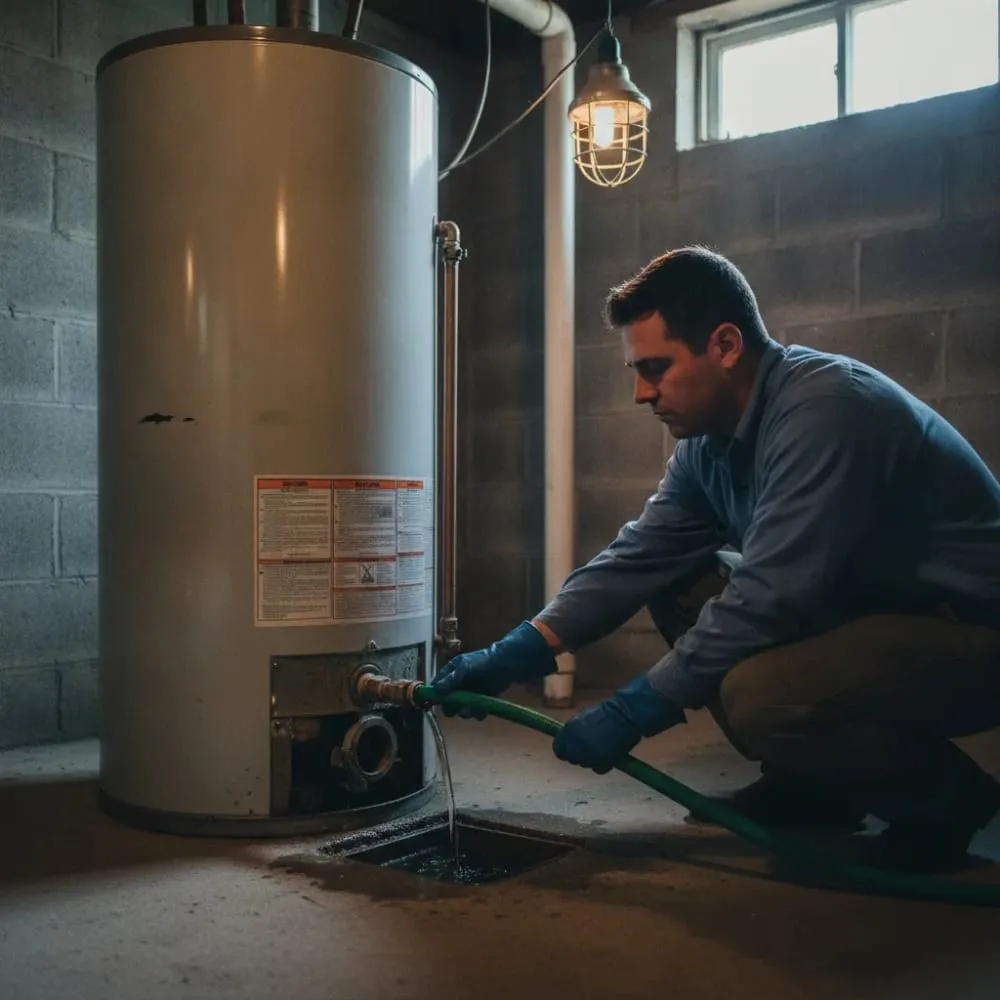
Signs Your Water Heater Needs Professional Attention
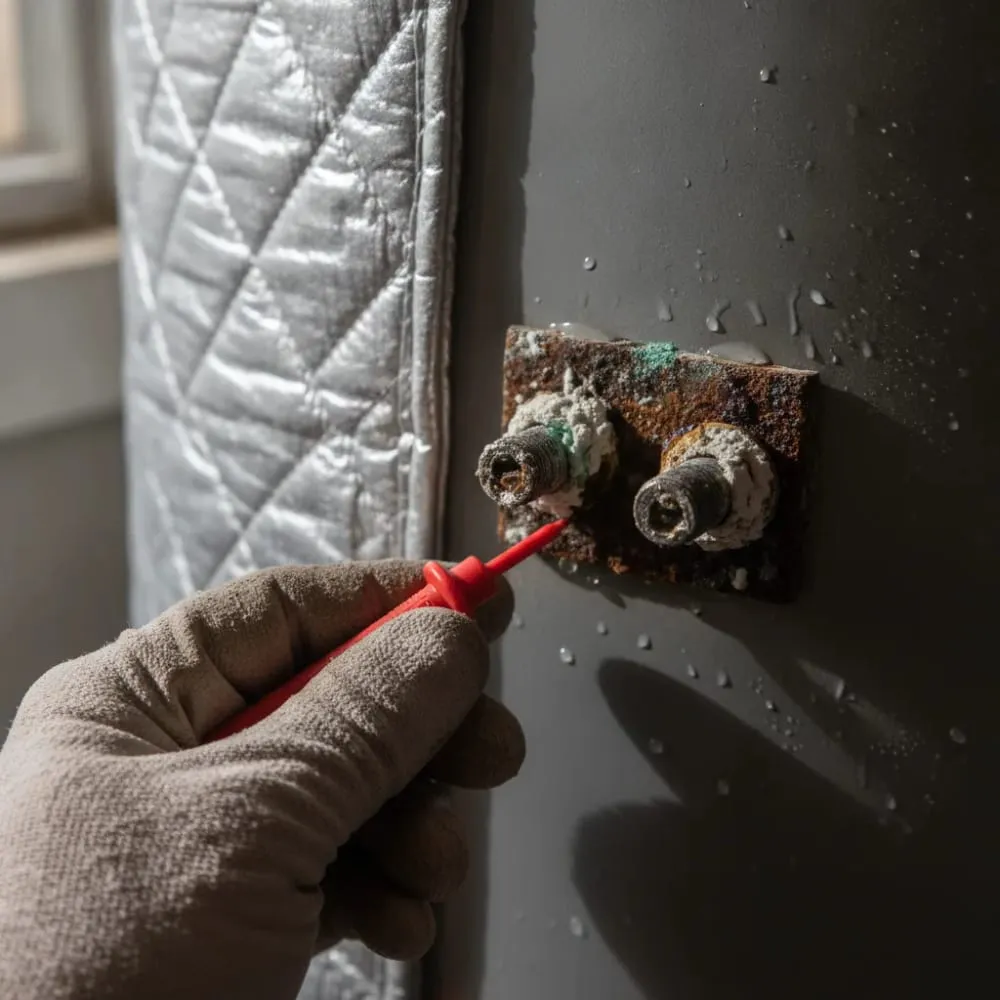
Quick Summary
Rusty water, popping noises, a puddle at the base, or lukewarm showers are all signs your water heater is struggling. Catching these problems early usually means a water heater repair, not a water heater replacement.
How do you know it's time to call someone? Most water heater problems build over time. By the time you notice something's off, the tank's usually been fighting a losing battle for weeks.
- Water that comes out rusty, cloudy, or smells a little off
- Popping or rumbling noises coming from the tank
- Water that's lukewarm at best, never quite hot
- A puddle or damp spot on the floor near the unit
- Hot water that runs out faster than it used to
That popping sound is usually sediment built up at the bottom of the tank. It hardens and cracks as the burner heats it. We hear this constantly. It's usually sediment buildup, and it's a fixable problem if you catch it soon enough.
A damp spot near the tank gets our phone ringing fast, and for good reason.
Not every leak means a new tank. Sometimes it's a loose fitting or a failing valve, both are quick water heater repairs. But a crack in the tank itself is different. No amount of tightening bolts will fix it.
Older homes in Bensalem's established neighborhoods near the township's historic district often still run older water heater setups. Those units tend to show these signs earlier than newer installs along the Street Road corridor. Don't wait until the pilot light won't stay lit or the breaker keeps tripping. Call while it's still a water heater repair.
Repair or Replace: Making the Right Call
This is the question that matters most, and we get asked it on almost every call. The answer usually comes down to age and what's broken. A water heater that's five years old with a bad thermostat? Fix it. One that's pushing 12 or 13 years old and rusting at the tank? That's a different conversation.
Most tank water heaters last around 8 to 12 years, according to the U.S. Department of Energy. Once you're past that window, repairing one part often just means the next part fails a few months later. We've walked into homes in Bensalem's older sections along Hulmeville Road where the water heater was original to a remodel done years back. The tank itself was the problem, not the valve or the element.
- Rust-colored water or rust around the tank base usually means the tank is failing, not a fixable part
- Popping or rumbling noises point to sediment buildup, which is often repairable if caught early
- No hot water at all could be a simple heating element or thermostat issue on newer units
- Water pooling under the tank is almost always a replacement situation
- Frequent water heater repairs on the same unit within a year or two usually means it's time to stop patching it
How do you know for sure? A straight answer takes about ten minutes once we're looking at the unit. We check the age, the tank condition, and whether the failure is a part problem or a tank problem. If it's fixable, we tell you. If it's not worth putting money into, we tell you that too. We offer both water heater repair and water heater installation, so there's no reason to steer you toward the more expensive option when a water heater repair will do the job just fine.
When You Might Not Need a Repair Call Yet
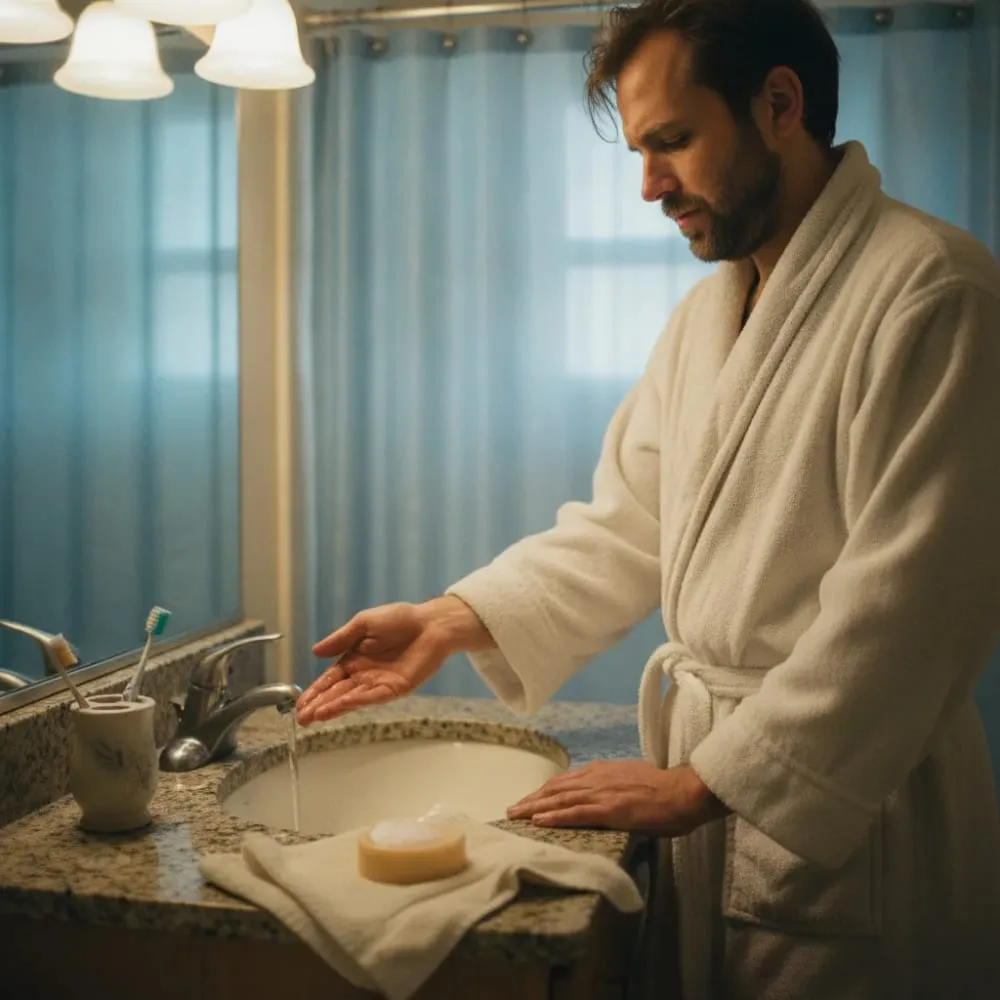
Not every hiccup means you need a water heater repair right away. Some things are just normal noise, not a warning sign.
Got lukewarm water for one shower, then it fixed itself the next day? That's usually just the tank recovering after a big draw, like a full load of laundry plus back-to-back showers. Give it a cycle before you panic. The same goes for a little rumbling sound, that's often sediment shifting around in the tank, not a failure in progress. It's annoying, sure, but it's not an emergency.
- Pilot light on a gas unit went out once during a storm and relit fine on its own
- Water takes a few extra seconds to heat up in winter, that's normal seasonal lag
- Small drip from the pressure relief valve after a hot day, often just pressure venting
- Slight metallic smell right after refilling the tank following maintenance
Here's the honest test. If the water heater is heating, holding water, and not leaking onto your floor, you've probably got time. A one-off weird noise or a single lukewarm shower isn't the start of a breakdown.
If that noise turns into a constant rumble, or the lukewarm water becomes the new normal, that's different. That's your unit telling you something's wrong.
We'd rather tell you to wait and watch than send someone out for a non-issue. If it keeps happening past a day or two, that's when it's worth a call.
What Happens During a Water Heater Repair Visit
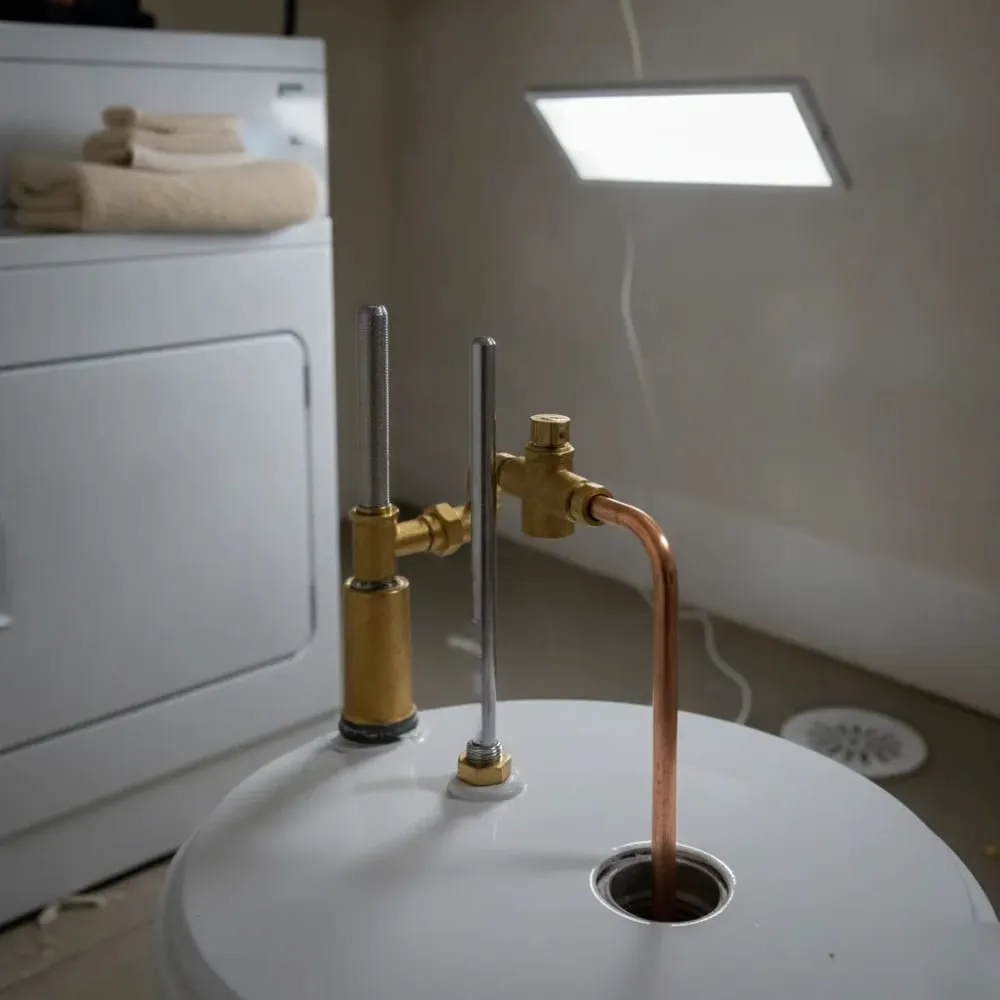
Here's what we do when we get to your house. We don't just look at the tank and start guessing. We check the water heater itself, the shutoff valve, the gas or electric supply, and the pressure relief valve. It's usually the same handful of culprits, but we still check everything.
- We ask what you noticed first. Cold water, weird noise, a puddle on the floor. That tells us where to look.
- We shut off power or gas to the unit before touching anything. Safety first, always.
- We test the thermostat, the heating element or burner, and the pressure relief valve.
- We check the tank itself for rust or leaks along the seams.
- We explain what's wrong in plain language, not plumber jargon.
- We walk you through the fix before we start, so there are no surprises.
A lot of homes we work in around Bensalem still have older water heater setups, especially near Cornwells Heights where original plumbing was never fully updated. That older gear behaves differently than a unit installed five years ago. We adjust our approach based on the age and type of tank we're standing in front of.
Sometimes the water heater repair takes twenty minutes. A bad thermostat or a stuck valve isn't a big job.
Other times we find something bigger, like a tank that's rusted through and past the point of water heater repair. We'll tell you straight if that's the case instead of patching something that won't hold.
Older Homes, Cast Iron Pipes, and Permit Requirements
Not every water heater sits in a spot that makes sense. In some of the older homes near Bensalem Township's historic district along Bristol Pike, we find units tucked into tight closets or crawlspaces. They are hooked up to setups that were normal decades ago but don't match what's out there today.
Cast iron pipe is the big one. It's heavier. It corrodes from the inside out. It doesn't play nice with modern fittings. We'll get a call about a leaking water heater. Once we're under the house we find the real problem is a corroded cast iron line feeding it. That changes the water heater repair. It's not just swap a part and go.
Older setups also mean older venting and older gas lines. Neither were built to current standards.
Then there's the permit side. Bensalem Township has its own permitting requirements. Depending on the scope of the water heater repair, that can mean paperwork before we even touch the unit. We've dealt with this enough times to know what's needed and when. This keeps your project moving forward without unnecessary delays.
- Cast iron supply lines that corrode and restrict water flow to the tank
- Undersized or outdated gas lines feeding older units
- Additions or finished basements where the original plumbing wasn't updated to code
- Township permit requirements tied to certain types of water heater work
Newer developments along Street Road and Route 13 don't usually have the cast iron problem. They come with their own quirks, like tighter mechanical rooms and different venting setups. Either way, we walk in knowing what we're likely dealing with before we open the panel.
Frequently Asked Questions
How fast can you get someone out for a water heater emergency in Bensalem?
We treat leaks, backups, and no-hot-water calls as 24/7 emergencies. A puddle near your tank or a house full of cold water needs fast attention, so we prioritize those calls. When you contact us, tell us exactly what you're seeing, cold water, a strange noise, or water on the floor. That helps us know what to bring and how urgent your situation really is before we even arrive.
What should I expect when a plumber shows up to fix my water heater?
We start by asking what you noticed first, since that tells us where to look. Then we shut off power or gas to the unit before touching anything, because safety comes first. We test the thermostat, heating element or burner, and pressure relief valve, and check the tank for rust or leaks. We explain what's wrong in plain language and walk you through the fix before starting any work.
Why does my water heater make a popping or rumbling noise?
That popping sound usually means sediment has built up at the bottom of your tank. It hardens over time and cracks as the burner heats it, which is what causes the noise. We hear this constantly, and it's often fixable if you catch it soon enough. A one-off rumble usually isn't an emergency, but if it turns into a constant sound, that's your unit telling you something's wrong.
How do I know if I need a repair or a full replacement?
It usually comes down to age and what's broken. A five-year-old unit with a bad thermostat is worth fixing, but a tank pushing 12 or 13 years old and rusting at the base is a different conversation. Most tank water heaters last 8 to 12 years, according to the U.S. Department of Energy. We check the age, tank condition, and whether it's a part problem or a tank problem, then give you a straight answer.
My water heater is old, is that a problem specific to my neighborhood in Bensalem?
Older homes near the township's historic district and along Hulmeville Road often still run original water heater setups from past remodels. Those units tend to show trouble earlier than newer installs along the Street Road corridor. We've walked into homes where the tank itself was the problem, not a valve or element. If your home has an older setup, don't wait for the pilot light to go out for good before calling.
Do I need to worry if my water only runs lukewarm sometimes?
Not always. Lukewarm water for one shower that fixes itself the next day is often just the tank recovering after heavy use, like laundry plus back-to-back showers. Give it one cycle before you worry. But if lukewarm water becomes the new normal, or the noise turns into a constant rumble, that's different. That's when it's worth calling, since patching the same unit repeatedly usually means it's time to stop.
Need water heater repair today?
We serve every neighborhood in Bensalem and are usually nearby. Call now or request a visit and we'll confirm a window.
Don't wait until it's an emergency
A small drip becomes a ceiling stain. A slow drain becomes a backup. Call (215) 352-4688 now — we answer around the clock and can get a licensed plumber to your door fast.